Break Free from Hidden Media Obsession 2025
Break free from hidden media obsession in 2025—discover smart strategies to reclaim control, reduce screen time, and regain focus.

I’ve noticed how media’s hidden obsession silently disrupts lives. It affects mental health, relationships, and productivity in ways we often overlook. In 2025, 30% of Americans identify as social media addicts. Platforms use infinite scrolling and notifications to keep us hooked. These features exploit our need for validation and fear of missing out, making it harder to disconnect.
Key Takeaways
- Recognize the impact of social media on mental health. Understand that excessive use can lead to anxiety, depression, and poor sleep.
- Set clear boundaries for media use. Limit your time on social media and turn off non-essential notifications to regain control over your day.
- Engage in offline activities. Replace screen time with hobbies like reading or painting to strengthen real-life connections and boost creativity.
The Hidden Obsession with Media

Image Source: unsplash
How Validation and FOMO Keep Us Hooked
I’ve noticed how media platforms thrive on our need for validation and our fear of missing out (FOMO). These psychological triggers create a hidden obsession that keeps us glued to our screens.
- FOMO drives a constant urge to stay connected and updated on others' lives. Many people feel preoccupied with what their friends are doing online, making it hard to log off.
- Social media amplifies this by triggering anxiety about missing experiences, events, or opportunities. For example, 69% of millennials worry about missing out if they don’t check their feeds.
- Cognitive distortions also play a role. Thoughts like "I must respond immediately" or "I didn’t get enough likes, so I’m not likable" reinforce the cycle of media overuse.
This hidden obsession with staying connected often leads to excessive media use, which can feel impossible to escape.
The Endless Scroll and Its Psychological Traps
Endless scrolling is another trap I’ve fallen into. Platforms design this feature to exploit our brain’s craving for new information. Each swipe releases dopamine, the chemical that makes us feel rewarded.
Stanford psychiatrist Anna Lembke explains, "Our brains release dopamine as a reward when we make connections with others, such as those afforded by social media."
This dopamine rush keeps us scrolling, even when we know we should stop. Over time, this habit can harm our mental health. Doom scrolling, for instance, often leads to irritability, poor concentration, and mental fatigue. It’s a cycle that’s hard to break but crucial to address.
The Mental Health Costs of Media Overuse
The hidden obsession with media doesn’t just waste time—it takes a toll on mental health. I’ve seen how excessive media use can worsen anxiety and depression. Constant comparisons with others online can lower self-esteem and create feelings of inadequacy.
Doom scrolling also disrupts sleep and increases stress. Studies show that spending too much time on social media can lead to physical symptoms like headaches and fatigue. These effects make it clear that breaking free from this hidden obsession is essential for mental well-being.
Strategies to Break Free
Setting Boundaries for Media Use
I’ve learned that setting clear boundaries is one of the most effective ways to reduce media overuse. I started by scheduling specific times for checking social media. For example, I limit myself to 20 minutes in the morning and 20 minutes in the evening. This simple change has helped me regain control over my day.
Turning off non-essential notifications also made a big difference. Constant pings used to pull me back into the endless scroll. Now, I only allow notifications for urgent messages. I also use apps that track screen time to stay accountable. These tools provide insights into my habits and help me stick to my limits.
Practicing Mindfulness to Reclaim Attention
Mindfulness has been a game-changer for me. It’s helped me become more aware of my actions and reduce my dependency on the media.
- Practicing mindfulness improves attention control, which reduces the fear of missing out.
- Short mindfulness exercises, like 8 minutes of breath-focused meditation, enhance focus and self-awareness.
Mindfulness expert Judson Brewer explains that mindfulness strengthens impulse control, making it easier to break free from addictive behaviors like media overuse.
I’ve also noticed that mindfulness-based interventions, such as guided meditations, help me stay present. These practices make it easier to resist the hidden obsession with staying connected online.
Promoting Offline Activities and Real Connections
I’ve found that replacing screen time with offline activities is incredibly rewarding. I started reading more books and exploring creative hobbies like painting. Platforms like BeFreed have been invaluable for this. Their curated book summaries allow me to learn and grow without spending hours online.
Spending time with friends and family offline has also strengthened my relationships. I make it a point to schedule regular meetups or phone calls. These real connections bring more joy and fulfillment than any number of likes or comments ever could.
Seeking Help When Media Use Becomes Overwhelming
Sometimes, breaking free from media addiction requires professional help. Therapy options like Cognitive Behavioral Therapy (CBT) and Dialectical Behavioral Therapy (DBT) are highly effective.
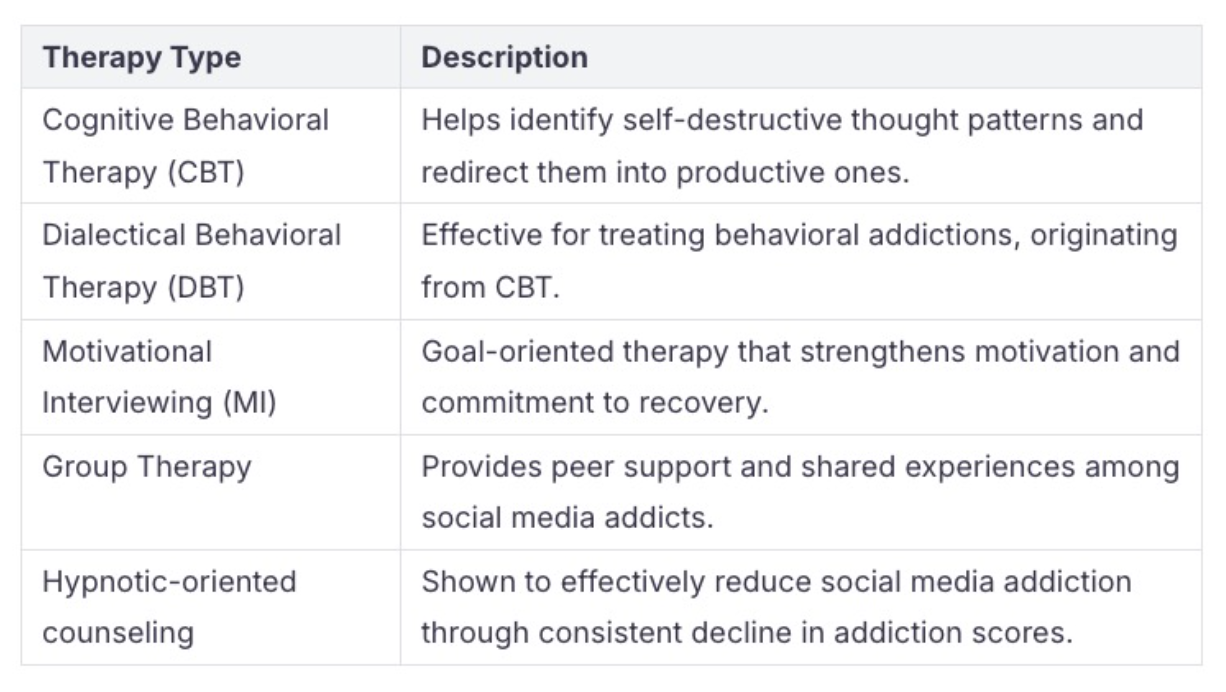
I’ve seen how group therapy fosters a sense of community and shared understanding. It’s comforting to know you’re not alone in this struggle. If media use feels overwhelming, seeking help is a vital step toward recovery.
Building a Healthier Relationship with Media
Image Source: pexels
Embracing Digital Minimalism for Intentional Use
I’ve discovered that digital minimalism is a powerful way to regain control over media use. It’s a philosophy that encourages a focused and intentional approach to technology. By aligning my media habits with my personal values, I’ve been able to use technology in a way that supports my goals instead of distracting me.
- Digital minimalism promotes practices like conducting a digital declutter. This involves removing unnecessary apps and accounts that don’t add value to your life.
- It encourages intentional use of technology, such as setting specific times for online activities.
- It helps foster a mindful relationship with media, reducing the constant pull of notifications and distractions.
I’ve seen how adopting this mindset can transform lives. For example, I once struggled with social media addiction. It drained my mental energy and left me feeling overwhelmed. By reducing my usage, I found relief from negativity and inauthenticity. Now, I feel more present and fulfilled. Others who embrace digital minimalism share similar stories of reclaiming their attention and leading more meaningful lives.
Replacing Media with Creative Hobbies and Reading
Replacing screen time with creative hobbies has been a game-changer for me. I started painting and writing, which not only reduced my media use but also boosted my creativity. Reading has also become a favorite pastime. Platforms like BeFreed make it easy to access knowledge without spending hours online.
BeFreed offers over 10,000 curated book summaries on topics like personal growth and technology. These bite-sized insights fit perfectly into a busy schedule, whether during a commute or a short break.
I’ve explored collections featuring books that inspired successful entrepreneurs and thought leaders. These summaries provide valuable lessons and spark new ideas. Replacing media with hobbies and reading has enriched my life in ways I never imagined.
Using Tools Like BeFreed for Smarter Growth
BeFreed has been an essential tool in my journey toward smarter media use. Its AI-driven platform delivers high-quality summaries of books and long-form content. This allows me to learn and grow without falling into the trap of endless scrolling.
The platform’s specialized collections, like those that influenced Spotify’s creation or guided startup investments, offer unique insights. These curated resources save time while delivering maximum value.
By using BeFreed, I’ve been able to focus on personal development and acquire knowledge efficiently. It’s a tool that aligns perfectly with the principles of digital minimalism, helping me build a healthier relationship with media while achieving my goals.
Media obsession in 2025 challenges mental health and productivity. I’ve learned that breaking free starts with awareness and small, actionable steps. Digital minimalism helps me focus on meaningful activities. Tools like BeFreed make personal growth easier by offering curated book summaries. Take the first step today. Reclaim your time and attention.


